AI Search Is Quietly Reshaping PR and Communications Strategy

AI Search Is Quietly Reshaping PR and Communications Strategy

Something significant is happening in the communications landscape, and many organisations are not yet paying close attention. People are increasingly turning to AI systems for answers instead of traditional search engines. And that shift will fundamentally change how organisations earn visibility and credibility.

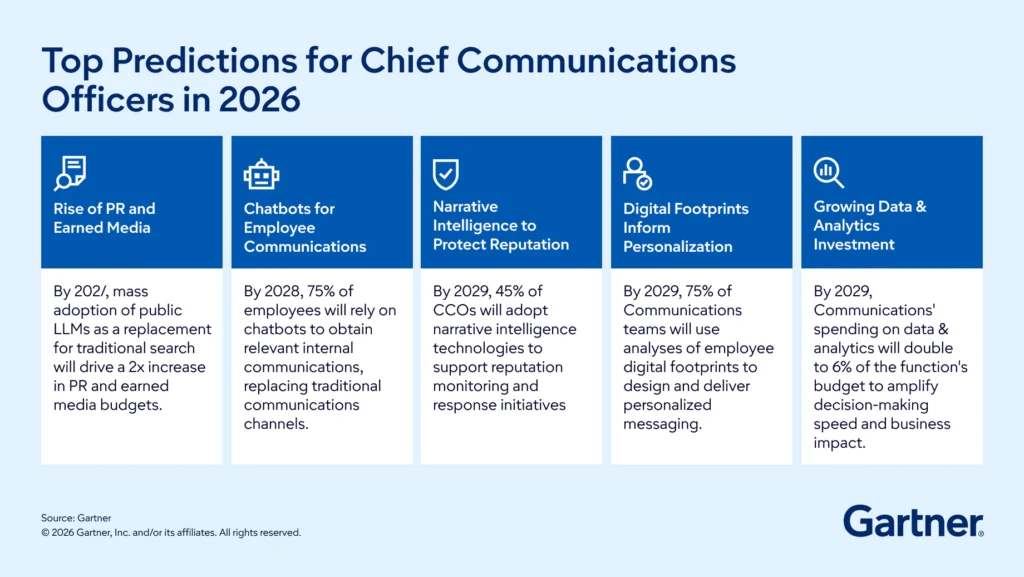
A recent Gartner report titled Top Predictions to Inform 2026 Communications Strategies highlights several trends that will redefine the role of Chief Communications Officers in the coming years.

Among the predictions are:

• By 2027, mass adoption of public LLMs as a replacement for traditional search will drive a twofold increase in PR and earned media budgets.
• By 2028, 75% of employees will rely on chatbots for internal communications, replacing traditional channels.
• By 2029, 45% of CCOs will adopt narrative intelligence technologies to monitor reputation in a growing disinformation environment.
• By 2029, 75% of communications teams will analyse employee digital footprints to deliver personalised internal communication.
• By 2029, communications spending on data and analytics will double to accelerate decision-making and business impact.

You can read the full report here.

However, the prediction that caught my attention most is the first one: “By 2027, mass adoption of public LLMs as a replacement for traditional search will drive a 2x increase in PR and earned media budgets.” This insight reinforces something we have consistently emphasised at Teo-Inspiro and one of the reasons we launched the Impact Storytelling Masterclass.

For years, many organisations have focused heavily on paid visibility. Paid ads. Boosted posts. Sponsored placements. But in the AI-driven information ecosystem that is emerging, credibility will matter more than paid visibility. AI systems tend to cite earned, shared, and organic content far more than paid media. According to a vendor study referenced in the report, over 95% of links cited by AI systems are non-paid mentions, with 27% coming directly from earned media coverage.

This has important implications.
AI Search Is Quietly Reshaping PR and Communications Strategy

If AI tools such as ChatGPT, Claude, and Perplexity increasingly become the first-place people go for answers, then the organisations that will be referenced are those that already have credible material about their work across the internet.

That credibility is built through:

• recognised media features
• strong thought-leadership articles
• research publications
• well-documented impact stories

The traffic trends already point in this direction. AI chatbots such as ChatGPT (+608%) and Perplexity (+262%) experienced significant year-over-year growth in traffic between the first half of 2024 and the first half of 2025, while traditional search engines like Google and Bing have begun to decline, despite still holding the larger share of traffic.

For organisations that want to become authoritative voices in their sectors, the path forward is becoming clearer.

It requires investing in:

• credible storytelling
• strategic media engagement
• strong data and evidence about impact
• consistent thought leadership

One question I continue to reflect on after reading this report is this:

If AI systems increasingly determine which organisations are cited as credible sources, what evidence about your work currently exists online for those systems to reference? Many organisations are doing remarkable work. Yet very little of it is documented in ways that build long-term narrative authority; through media coverage, research publications, or credible thought leadership.

In the coming years, communications strategy may shift from visibility management to knowledge and narrative ownership. I am curious to hear from other communications and development professionals: Are organisations already adapting their PR and communications strategies for the rise of AI-driven search?

One practical shift I expect to see more organisations make is investing in institutional knowledge assets.

For example:
• periodic insight articles from organisational leaders
• research briefs or sector reports
• documented case studies of programme impact
• expert commentary in recognised media platforms

Over time, these materials form a body of credible knowledge that strengthens an organisation’s reputation and increases the likelihood that it will be referenced in emerging AI discovery systems. This is one of the reasons I continue to emphasise impact storytelling as a strategic function, not just a communications activity.

In other words, communications strategy must move beyond counting followers and social media likes. The real competitive advantage will come from owning credible narratives about your organisation’s expertise and impact. Because in an AI-driven information ecosystem, the organisations that will be cited, referenced, and trusted are those that have already done the work of building authority.

Picture of Oghenefego Ofili

Oghenefego Ofili

Leave a Reply

Your email address will not be published. Required fields are marked *

Related Posts

Client

Ubongo International

Role

Content Producer (Nigeria Chapter)

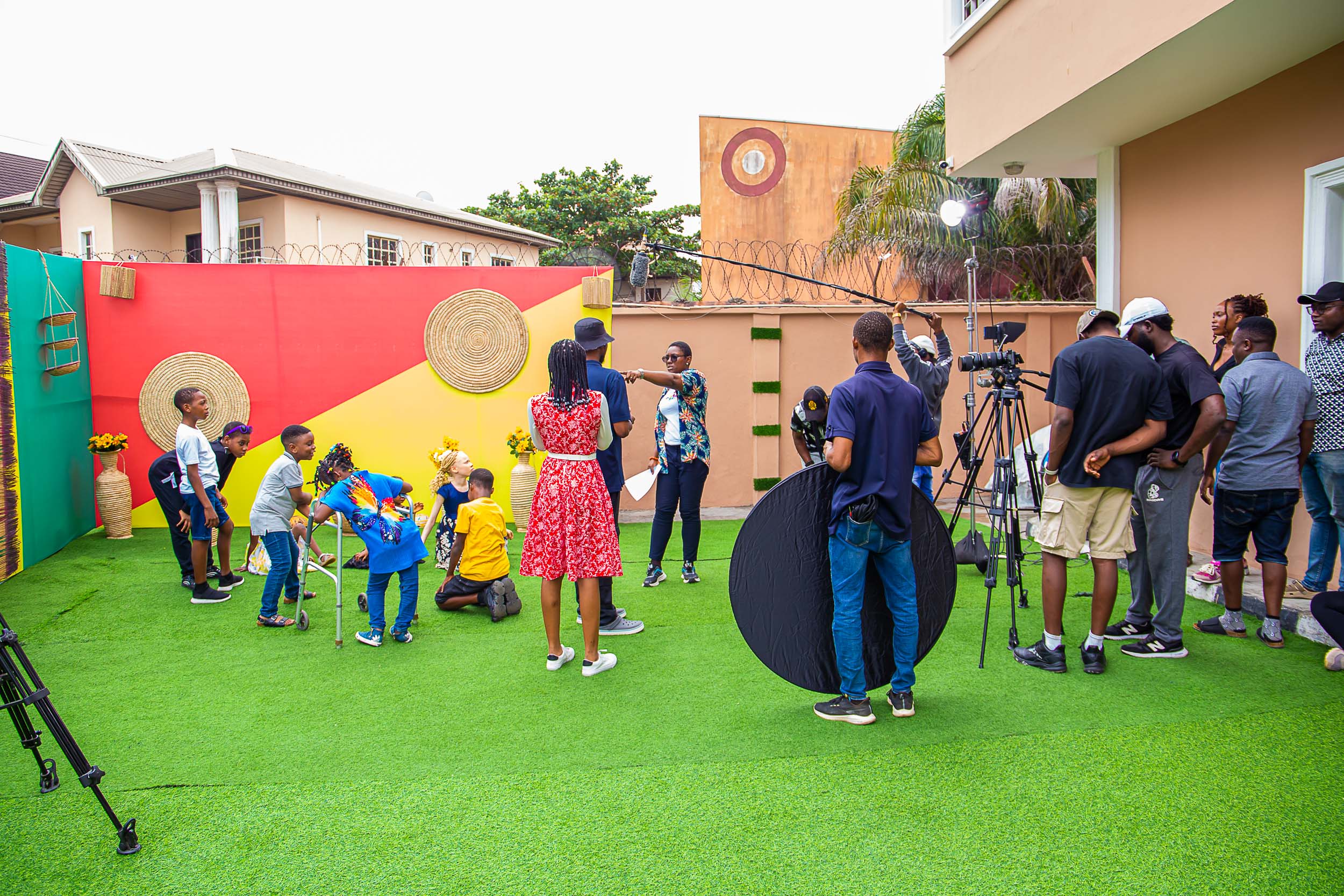
  • Created community engagement videos and digital learning content
  • Produced human-interest features on early childhood learning in underserved communities
Client

International IDEA – Impact of RoLAC Programme (EU-Funded)

Role

Documentary Production Consultant

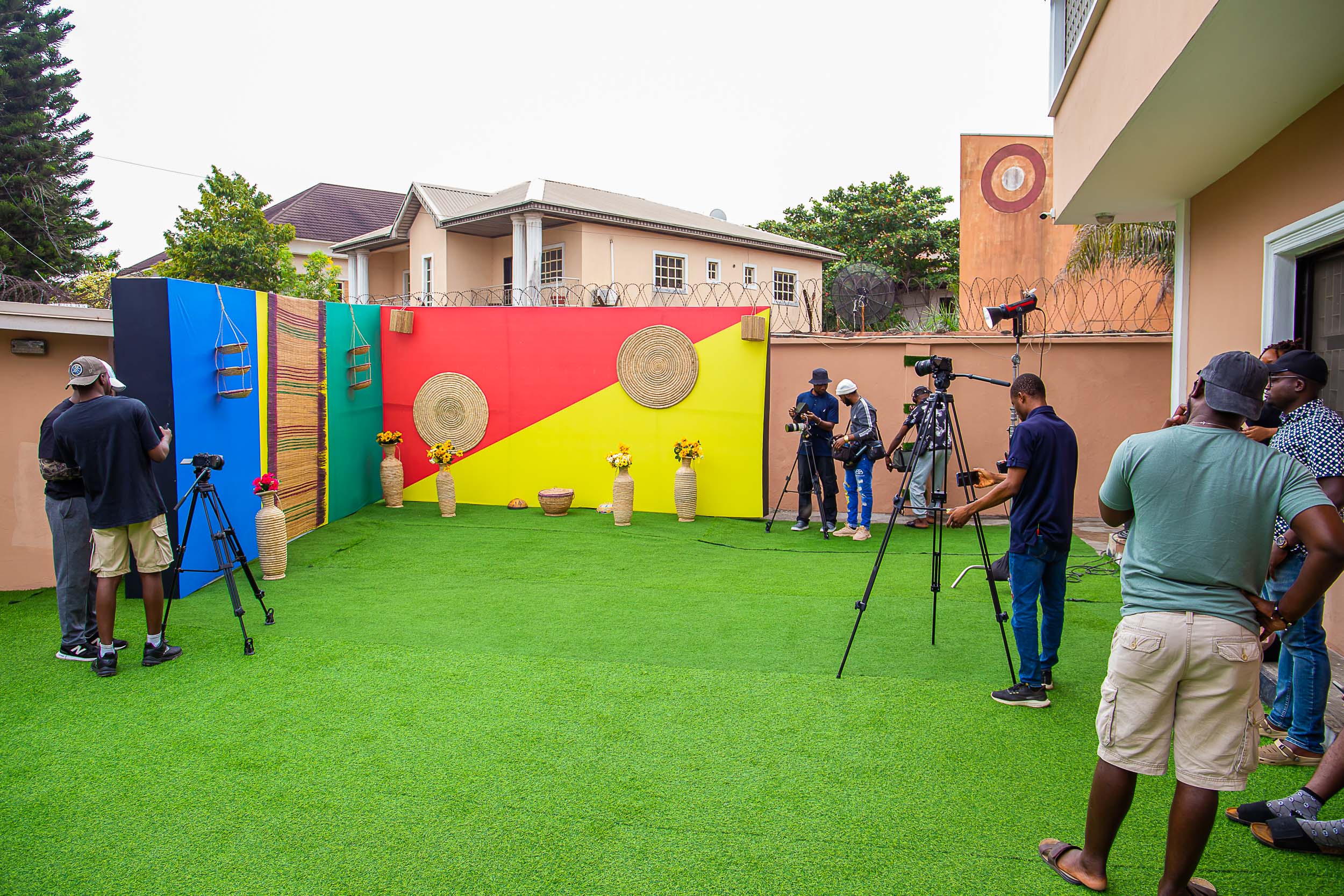
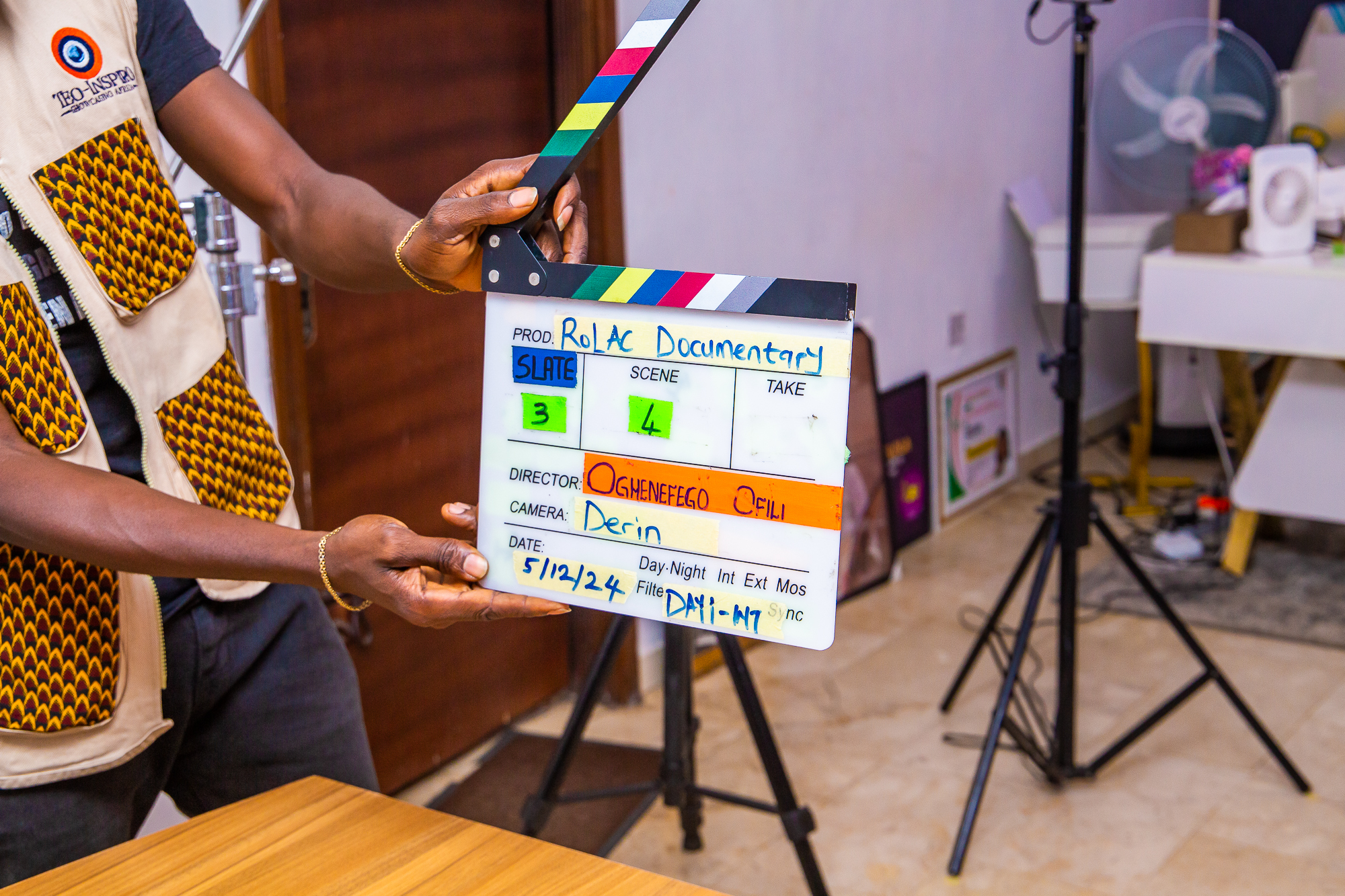
  • Produced documentary film showcasing justice sector reforms in Nigeria
  • Developed content strategy for visibility and dissemination
  • Coordinated interviews with government actors, CSOs, and international partners
Client

Save The Children

Brief

Provide media and coverage and content development for the Stop Diarrhoea Initiative in Lagos State.

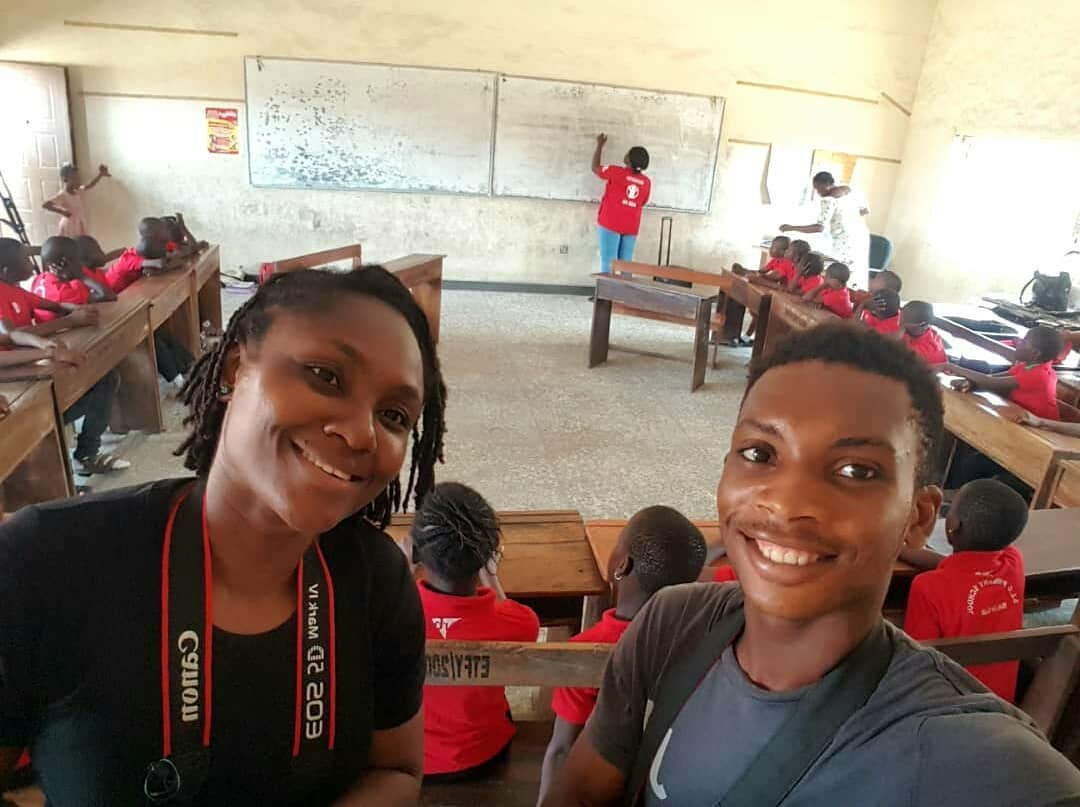
We provided video and photo coverage for all project events assigned in Lagos. A group of 50 children were also trained on content development and storytelling as part of awareness for the project.

We successfully managed the production of events under the project using top-notch professional equipment. The Save the Children team in Lagos had enough videos and photo content for the campaign.

Client

Sanlam of Nigeria

Brief

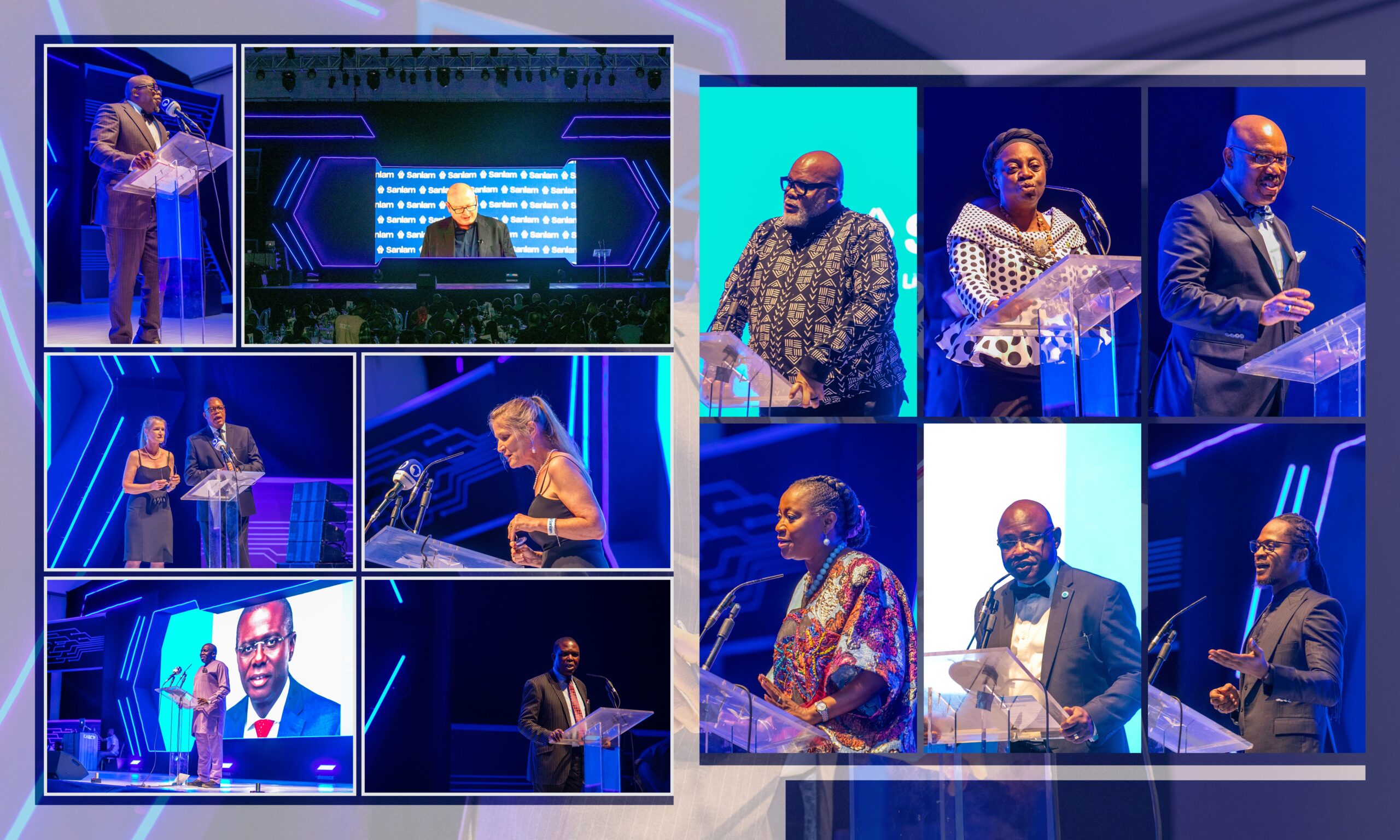
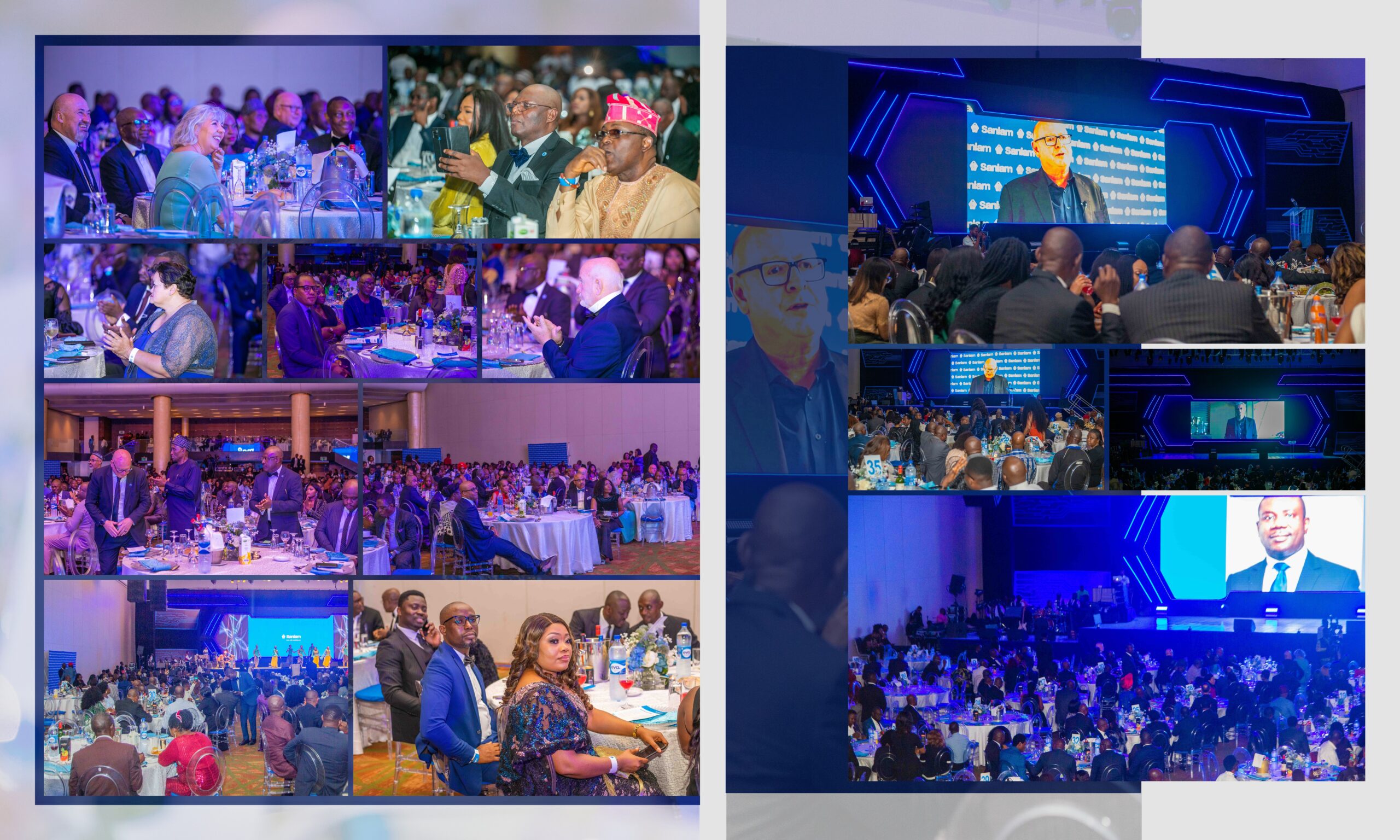
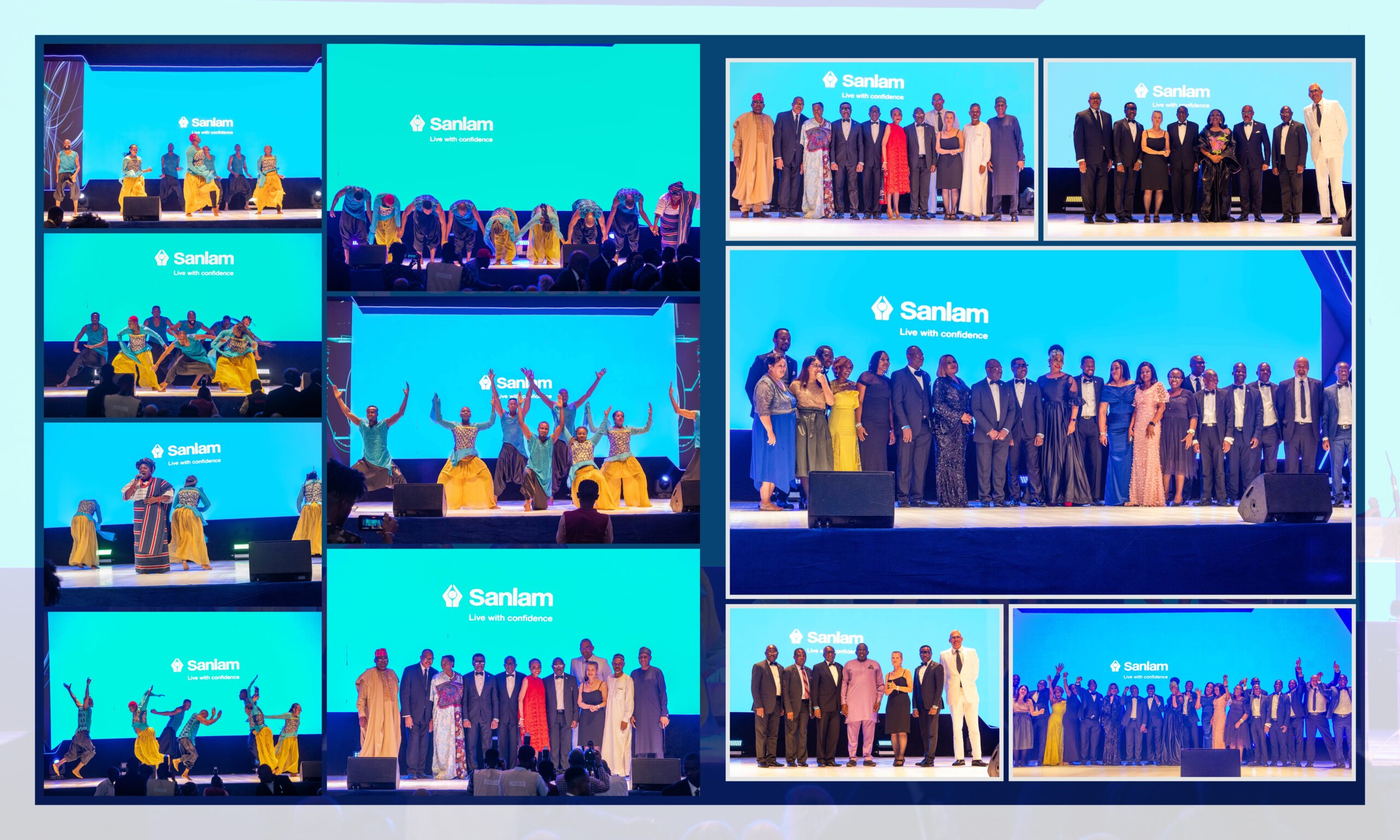
FBN Insurance was rebranding to Sanlam Nigeria after a merger with the South African company and we had to provide event media production services suitable for an international event.

We shared the brief with all vendors who qualified for the different aspects of the event. We ensured all set up was ready and a dry-run done six hours before the event started.

The South African team was impressed with our professionalism and the event was a huge success with news mentions across platforms within and outside Nigeria.

Client

Helen Keller International

Brief

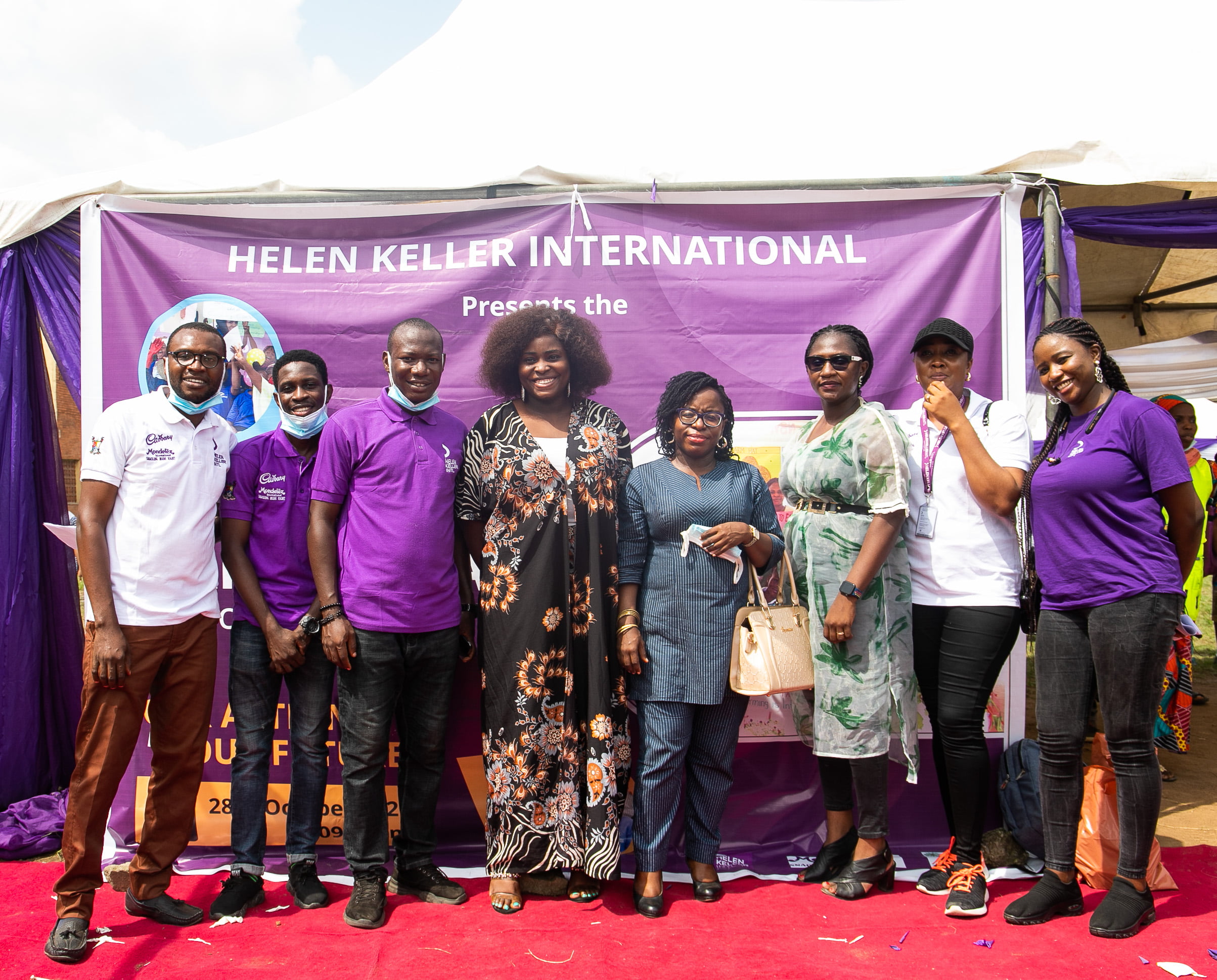
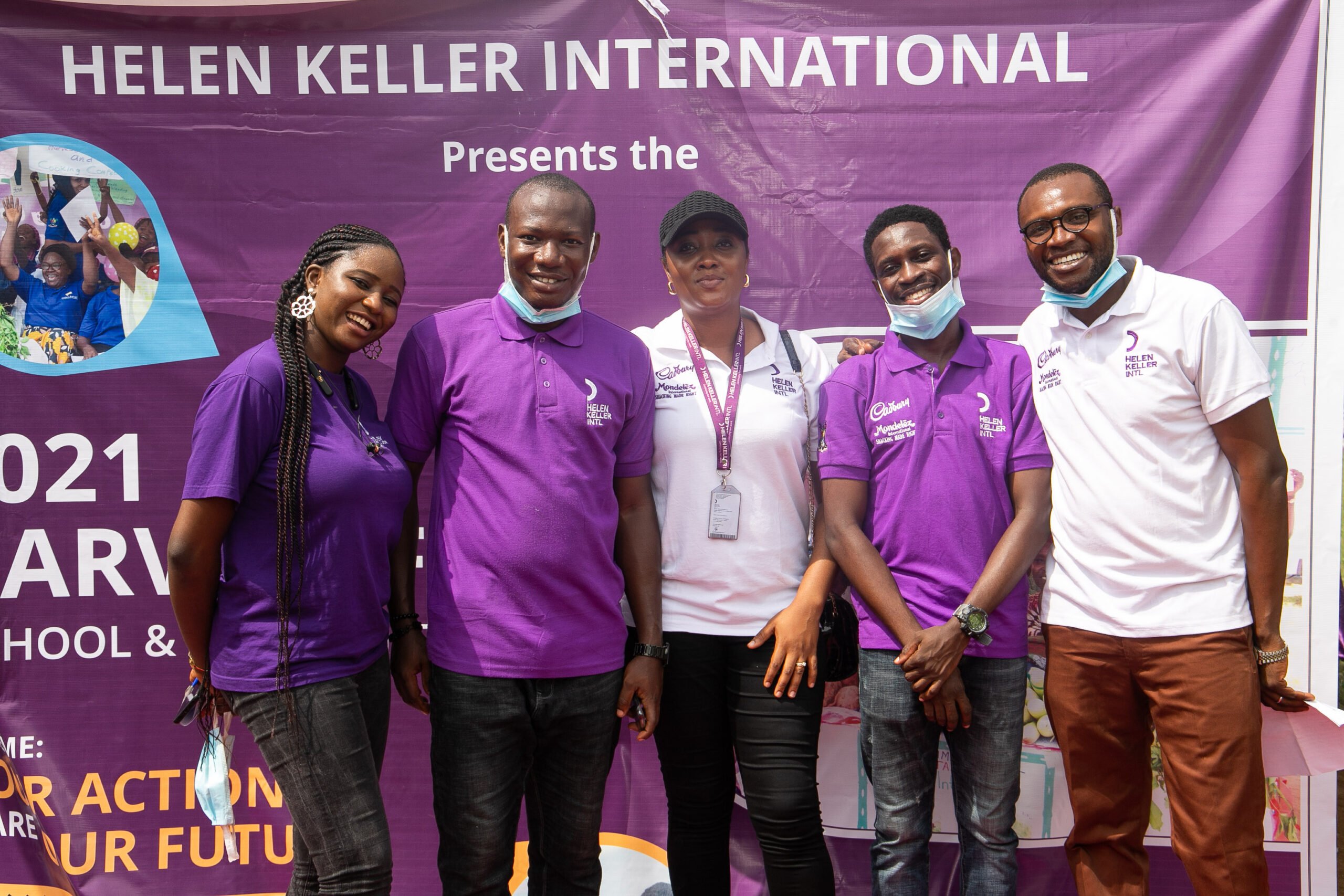
Ensure professional videography and photography coverage of all projects

Teo-Inspiro International ensured our production team understood the brief for each event and delivered professional coverage and content for all media platforms.

All HKI project events assigned to us were produced successfully. All vendors engaged provided excellent service to the client on every occasion. A short documentary of the 5-year Nutrition and Healthy Lifestyle project was produced.

Client

FirstBank of Nigeria

Brief

Provide media content development for the digital marketing team of FirstBank of Nigeria.

Photography coverage of all events hosted and sponsored by FirstBank, live edit and share content with the digital media team for posting on Instagram, Twitter and Facebook live at the event.

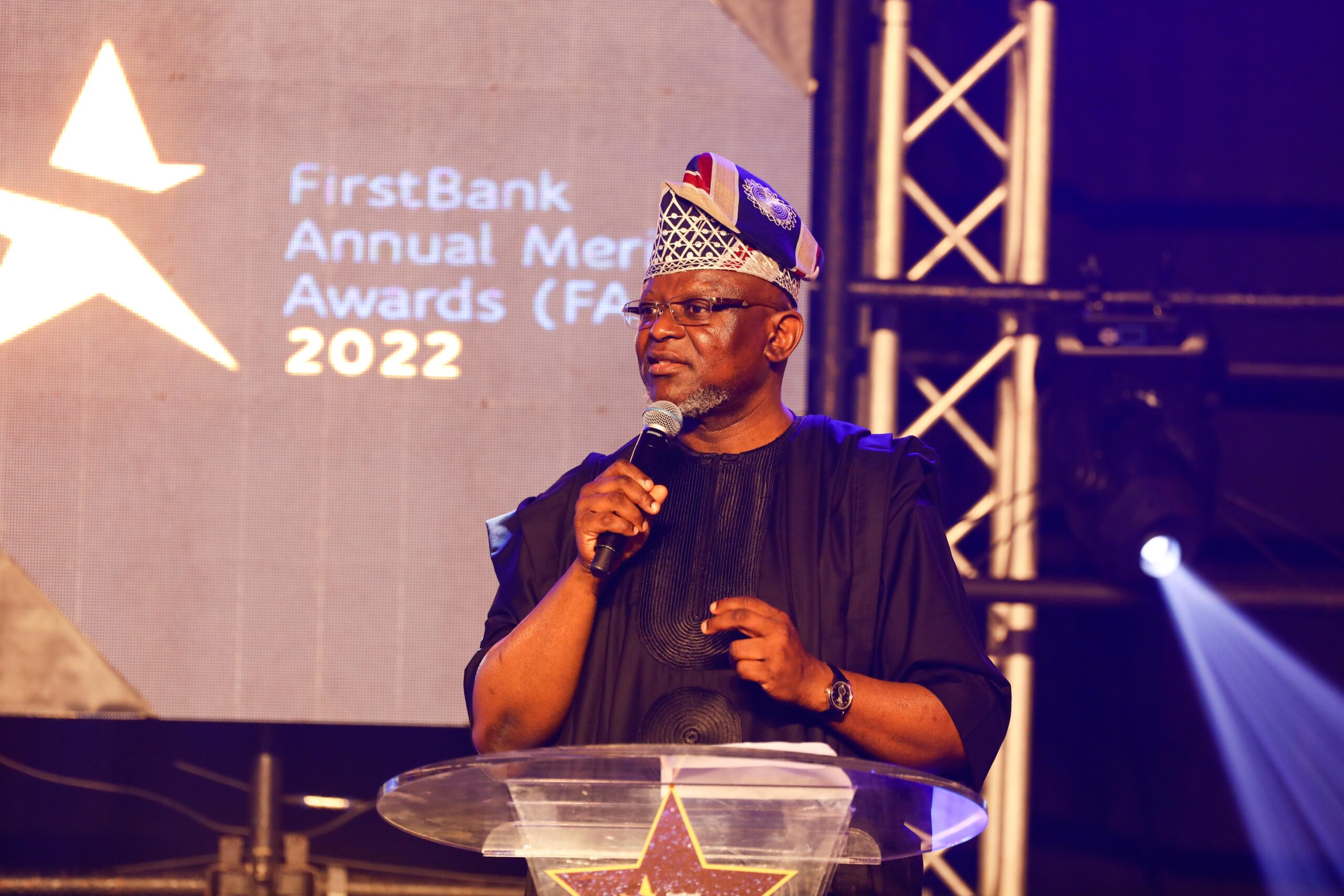
Since 2019 we have successfully provided over 2.5million images used on FirstBank’s social media platforms. Due to the quality of content this has increased engagement on the bank’s social media platforms and recently achieved 1million followership on Instagram.

Client

British Council ACT Programme

Brief

Media Engagement Consultancy to support the delivery of the EU-ACT communication and visibility under five (5) objectives. ACT Programme wants to use new and traditional media platforms to create awareness and visibility on the importance of CSOs in achieving the SDGs

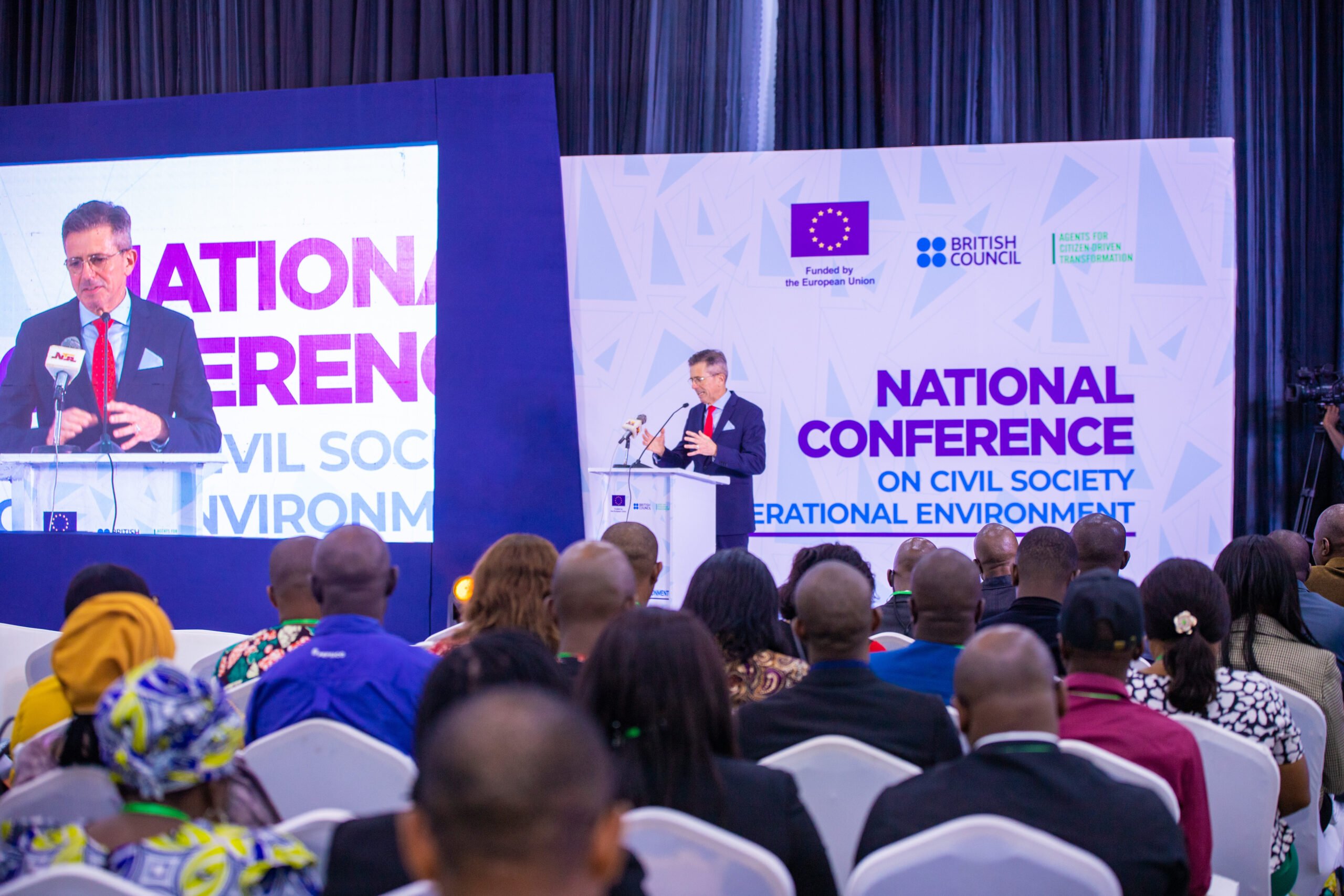
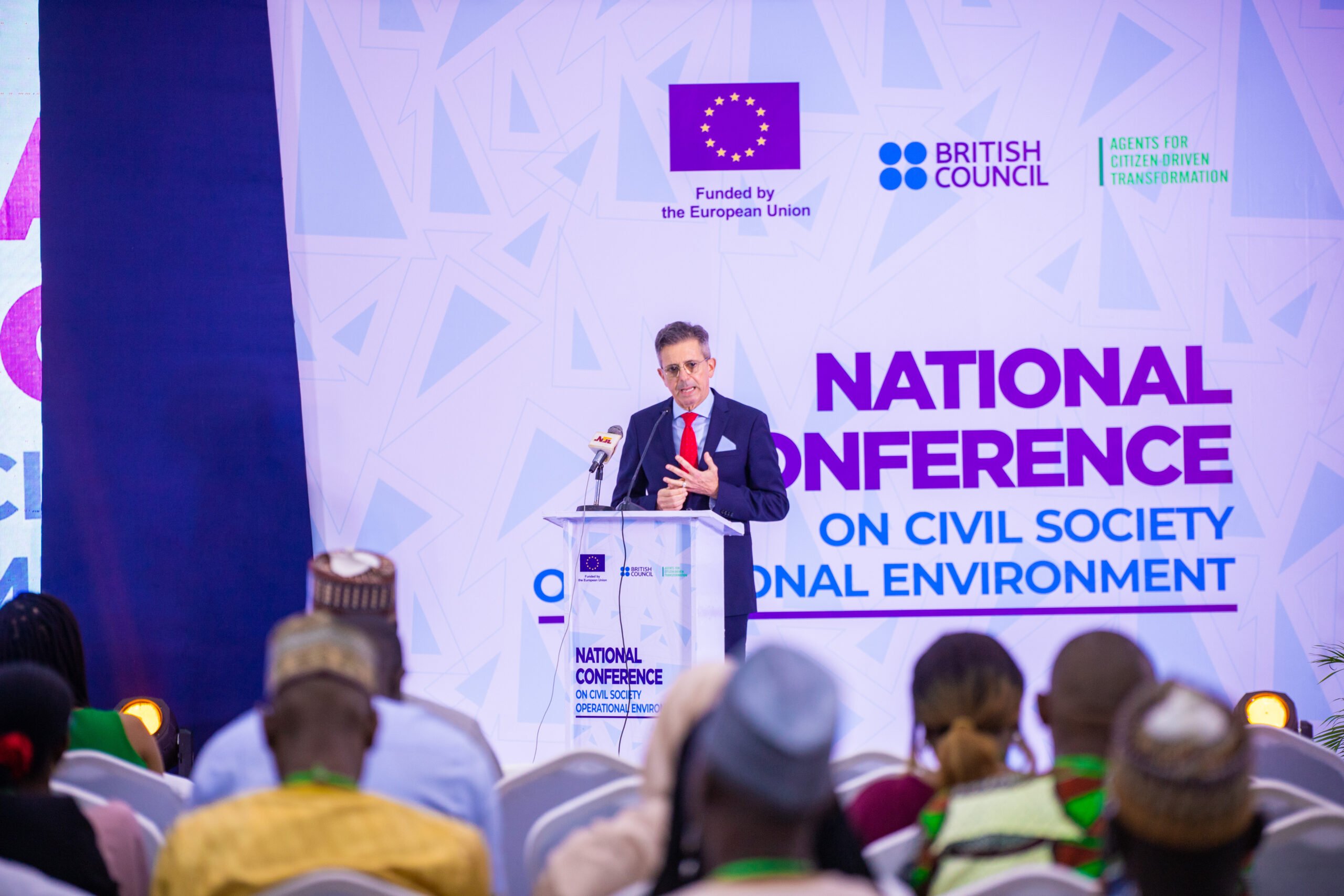
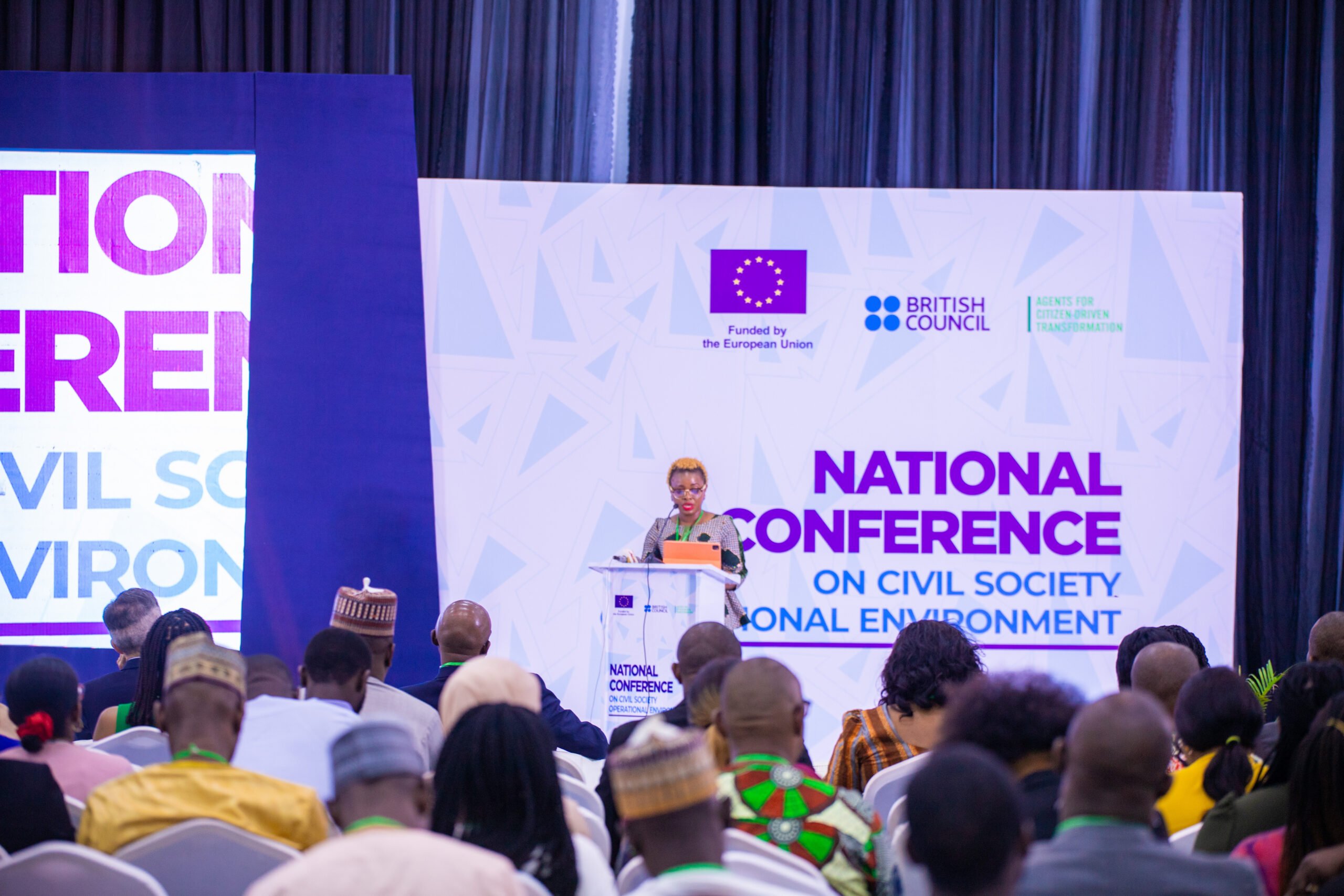
We developed the “Civic Action, Sustainable Communities” campaign aimed at showcasing the contributions of CSOs to sustainable development in Nigeria. Digital marketing was deployed across all social media platforms and relevant content curated from the 200 benefiting CSOs on the ACT Programme. A weekly interactive radio program was produced for thirteen weeks across four locations (Lagos, Kano, Port Harcourt and Abuja) on Nigeria Info and Arewa Radio. About twenty-five CSOs and other stakeholders involved in the ACT Programme featured in an international documentary showcasing the impact of the programme. Investigative journalists and feature writers were supported to publish stories and reports covering the thematic areas of the ACT Programme on AIT, Guardian, Vanguard, ThisDay, The Nation, Leadership and BluePrint newspapers. A website was also designed to serve as a repository for all campaign project activities.

The campaign resulted in more recognition and appreciation for CSOs contribution to development in Nigeria by citizens, open dialogue between CSOs and regulatory agencies and other CSOs wanting to be part of the campaign. Asides the social media campaign a documentary about the ACT Programme and its impact on CSOs across Nigeria was produced. Teo-Inspiro leveraged her relationship with broadcast and print media organization to publish feature stories about the positive impact of the Programme in Nigeria. The campaign had over 5,000 followers on social media and over 200,000 reach across platforms. The radio program reached over a million people during the 13-week period.